
Imagine your precious digital wealth – your Bitcoin, Ethereum, NFTs – chilling in the cloud, vulnerable to every nefarious digital pickpocket lurking in the shadows. The online world, for all its marvels, can often feel like a digital Wild West, especially when your fortune hangs by a thread of code. But what if there was a way to stash your valuable digital property that made cyber criminals throw up their virtual hands in despair?
In an era where ransomware attacks make headlines and data breaches are a weekly occurrence, the conventional wisdom of "strong passwords" and "two-factor authentication" often feels like bringing a butter knife to a gunfight. Your decentralized dreams demand more than basic digital hygiene; they demand an impenetrable bulwark against sophisticated threats. This is where physical safeguards for your virtual coin come into their own, offering a sanctuary no software exploit can touch.
Forget the fragile digital custodians that live on your internet-connected devices; we're talking about dedicated, offline bastions specifically engineered to isolate your private keys from the perilous online realm. These aren't just fancy USB sticks; they're sophisticated cryptographic fortresses, designed to perform essential transaction signing tasks without ever exposing your most critical information to the web's hungry eyes. Think of them as the ultimate safe deposit boxes for your blockchain treasures, built to withstand a digital siege.
So, if you’re ready to graduate from mere "hoping for the best" to actively owning your digital security, you've come to the right place. This exploration will delve deep into the world of cold storage devices, dissecting the contenders that consistently outperform, innovate, and, quite frankly, make would-be hackers wish they’d chosen a different career path. Prepare to build your ultimate crypto fortress.
The digital frontier of cryptocurrency often feels like a dazzling new world, brimming with innovation, opportunity, and the promise of financial freedom. Yet, beneath the shimmering surface of decentralized dreams and skyrocketing asset values lurks a perilous landscape. It’s a realm where digital pirates and cyber sharks tirelessly circle, eager to snatch your hard-earned tokens. We’ve all heard the chilling tales: exchanges hacked, wallets drained, fortunes vanishing into the ether with a phantom click. For anyone serious about safeguarding their stake in this exciting, volatile domain, relying solely on internet-connected "hot" wallets is akin to storing your gold in a paper bag on the high street. It’s simply not a sustainable strategy for the discerning crypto voyager.
The fundamental vulnerability of hot wallets lies in their constant connection to the internet. Whether it’s a web-based platform, a mobile app, or even a desktop program, if it touches the digital ether, it’s a potential target. Phishing scams, malware, remote exploits, and even sophisticated supply chain attacks represent just a few of the menacing specters haunting your precious digital assets. A single lapse in judgment, a compromised password, or an unnoticed piece of malicious code can transform your crypto portfolio from a source of pride into a poignant reminder of what once was. The solution, for those who truly wish to laugh in the face of hackers, lies in embracing the unassailable fortress of cold storage.
The Cold Storage Revolution: Understanding Hardware Wallets
Imagine a bank vault so secure it doesn't even have a door to the outside world – at least, not in the traditional sense. That’s the essence of cold storage. It's a methodology that physically isolates your private keys – the cryptographic strings that prove ownership of your digital wealth – from any internet connection. A hardware wallet is the ultimate manifestation of this principle: a dedicated physical device, purpose-built with impenetrable security features, designed to be an offline sanctuary for your most critical blockchain data.
Unlike software-based solutions, which live on general-purpose computers or mobile devices susceptible to a myriad of threats, a hardware wallet operates in its own secluded digital environment. It creates an "air gap" between your private keys and the perilous online world. This elegant yet profound distinction is what elevates these gadgets from mere accessories to indispensable guardians. They aren’t just storage devices; they are cryptographic bastions, designed to keep your secret keys secret, even when interacting with the inherently insecure internet to sign transactions.
Anatomy of an Unhackable Device: How They Function
The magic behind these miniature fortresses lies in their specialized design. At their core, most reputable hardware wallets incorporate a "Secure Element" (SE) chip – essentially a tamper-resistant microcontroller akin to what you'd find in a passport or credit card. This chip is engineered to generate and securely store your private keys, making them extraordinarily difficult to extract, even with physical access to the device. Think of it as a digital safe within a safe, impervious to most forms of digital assault.
When you want to send cryptocurrency, your hardware wallet doesn't expose your private keys to your computer or phone. Instead, it receives the transaction details, signs them internally using your offline keys, and then broadcasts the *signed* (but not the key itself) transaction back to your connected device. Crucially, this process almost always requires physical confirmation on the device itself, usually via a button press or a tap on a touchscreen. This ingenious mechanism ensures that even if your computer is riddled with malware, an attacker cannot authorize a transfer without your direct, physical interaction with the secure device. The cornerstone of your entire recovery strategy, and perhaps the most important sequence of words you’ll ever possess, is your "seed phrase" (or recovery phrase), typically 12 or 24 words. This phrase is the ultimate backup, allowing you to restore your wallet and all its associated cryptocurrencies on a new device should your current one be lost, stolen, or damaged. Keeping this seed phrase offline and physically secure is paramount.
Essential Features for Your Crypto Fortress
Not all hardware wallets are created equal, though many boast robust security. When selecting your ultimate digital asset protector, consider these vital features:
Certified Secure Element:
This isn't just a fancy marketing term; it's a critical hardware component. An SE chip is specifically designed to resist physical tampering and extraction attempts, providing a formidable barrier against sophisticated attacks. Look for devices that explicitly state their use of a certified secure element, often with an EAL (Evaluation Assurance Level) rating.Open-Source & Audited Firmware:
Transparency is a powerful ally in security. Wallets with open-source firmware allow security researchers and the broader community to scrutinize the code for vulnerabilities. Regular, independent security audits further bolster confidence, ensuring that potential weaknesses are identified and patched before they can be exploited. This community oversight adds an invaluable layer of trustworthiness to the device's operational integrity.Robust Recovery & Backup:
Your seed phrase is your lifeline. A good hardware wallet provides clear instructions for generating and backing up this phrase during initial setup. Ensure the device facilitates easy, secure recovery should you ever need to restore your assets. Remember, losing your device doesn't mean losing your crypto, but losing your seed phrase irrevocably does.Multi-Currency Support:
For the diverse portfolio holder, broad support for a wide array of cryptocurrencies and tokens is a significant convenience. While many devices handle Bitcoin and Ethereum with ease, check compatibility for your specific altcoins and ERC-20 tokens to avoid needing multiple devices.Intuitive Interface & Physical Buttons:
A clear, easy-to-read screen and physical buttons provide critical security benefits. They allow you to independently verify transaction details directly on the secure device, preventing a compromised computer from displaying false information. Physical buttons also make remote exploitation via software significantly harder, as physical interaction is always required to confirm sensitive operations.Elite Guardians: Top Hardware Wallets on the Market
The market for hardware wallets has matured considerably, offering a range of choices, each with its own strengths. Here are some of the titans that consistently earn high marks for their security, reliability, and user experience.
Ledger Nano S Plus / Nano X: The Established Standard
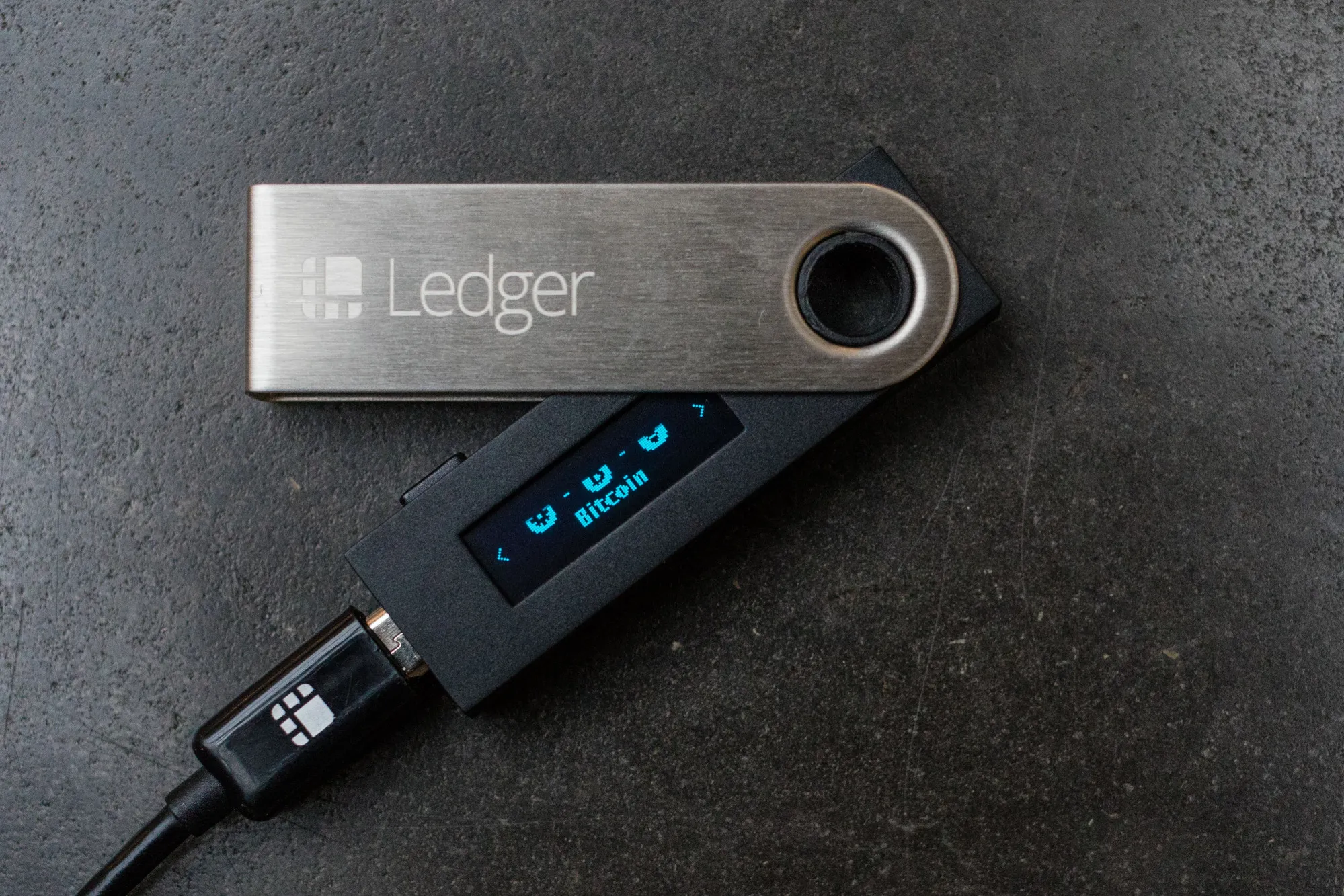
Ledger devices are ubiquitous in the crypto space for good reason. The Nano S Plus offers robust security at an accessible price point, while the Nano X provides enhanced features like Bluetooth connectivity and a larger capacity for app installation, catering to a broader range of users. Both models feature a proprietary Secure Element (CC EAL5+ certified) and a custom operating system (BOLOS) to isolate applications and protect private keys. While a recent optional subscription service, "Ledger Recover," sparked community debate regarding privacy, Ledger has been proactive in clarifying its opt-in nature and reinforcing the core security of its devices, which remains exceptional for safeguarding assets.
Trezor Model T / Safe 3: The Open-Source Stalwart
Trezor, from SatoshiLabs, prides itself on its commitment to open-source transparency. The Trezor Model T, their flagship device, features a full-color touchscreen for easy interaction and a robust secure bootloader. The newer Trezor Safe 3 introduces a Secure Element to their lineup, combining the best of both worlds: audited open-source firmware with hardware-level protection against advanced physical attacks. Trezor’s philosophy emphasizes user control and auditability, making them a favorite among privacy advocates and those who value the ability to verify the code.
Tangem Wallet: The Card-Sized Marvel
For those who prioritize simplicity and portability, the Tangem Wallet offers a refreshing approach. This innovative solution comes in the form of physical cards, resembling credit cards, embedded with an EAL6+ certified secure element. There are no cables, no screens, and no buttons in the traditional sense. You simply tap the card to your NFC-enabled smartphone to interact with your assets via their intuitive mobile app. This streamlined experience minimizes potential points of failure and makes it incredibly user-friendly, especially for newcomers, without compromising on chip-level security.
Ellipal Titan: The Air-Gapped Behemoth
The Ellipal Titan lives up to its name, presenting a sturdy, entirely air-gapped solution. This device has no USB or Wi-Fi connectivity whatsoever. All transactions are signed via QR codes scanned on its large touchscreen, ensuring absolutely no physical or wireless connection to online devices. Its anti-tamper design includes an automatic wipe function if physical breach is detected, making it a true fortress for those who demand the highest level of isolation from the internet, especially for significant holdings. It’s a bold statement in secure cold storage.
GridPlus Lattice1: The Developer's Choice with Home Security
The GridPlus Lattice1 takes a slightly different approach, positioning itself as a "hardware security module" designed for both individuals and developers managing substantial crypto assets. It’s larger than typical hardware wallets, intended to remain at home, and features an integrated secure display. While it offers advanced key management features, its primary focus is on providing a secure, networked enclave for signing transactions, often in conjunction with web3 applications, while maintaining the secure element’s isolation from the internet. This device targets users looking for enterprise-grade security within a personal setup.
NGRAVE ZERO: The Military-Grade Fortress
The NGRAVE ZERO proudly boasts the highest security certification in the world for an electronic product: EAL7. This completely air-gapped device utilizes QR codes for all communication, eliminating any physical or wireless entry points. It features a large, crisp display, a biometric fingerprint sensor for unlocking, and an innovative "NGRAVE GRAPHENE" physical backup solution – a laser-engraved steel plate that is virtually indestructible. For users demanding military-grade cyber protection and an uncompromising approach to offline security, the NGRAVE ZERO represents the pinnacle of personal digital asset defense.
Beyond the Device: Fortifying Your Overall Security Posture
Owning a state-of-the-art hardware wallet is a massive step towards impenetrable crypto security, but it’s just one piece of the puzzle. Your behavior and supplementary precautions are equally crucial in building an end-to-end fortress around your digital wealth.
Safeguarding Your Seed Phrase:
This cannot be stressed enough. Your 12 or 24-word recovery phrase is the master key to your digital fortune. Store it offline, in multiple secure physical locations, protected from fire, water, and theft. Consider using metal plates for etching or stamping your words, as paper can degrade or burn. Never store it digitally, never share it with anyone, and never take a photo of it. Your seed phrase is the ultimate vulnerability if compromised, rendering even the most sophisticated hardware wallet useless against its exposure.Procure from Authorized Dealers Only:
Always purchase your hardware wallet directly from the manufacturer’s official website or from a verified, authorized reseller. Buying from third-party marketplaces, especially used devices, opens the door to potential supply chain attacks where devices could be tampered with or pre-loaded with malicious firmware designed to steal your funds. Be vigilant and verify the source.Verify, Verify, Verify:
Before using your new device, always follow the manufacturer’s instructions for verifying its authenticity and integrity. This often involves checking holographic seals, unique identifiers, and performing initial firmware checks. When performing transactions, meticulously double-check the recipient address on your hardware wallet’s screen against the one on your computer or phone. Malware can sometimes swap addresses in your clipboard, so direct verification on the trusted device is non-negotiable.Beware of Phishing:
Even the most secure hardware wallet can’t protect you from social engineering. Phishing attacks, where scammers impersonate legitimate entities (exchanges, wallet support, etc.) to trick you into revealing your seed phrase or signing malicious transactions, remain a pervasive threat. Be skeptical of unsolicited emails, messages, or calls. Never click suspicious links and always navigate directly to official websites. No legitimate support agent will ever ask for your seed phrase.Common Misconceptions Dispelled
Despite their growing popularity, hardware wallets are still subject to certain myths that can deter potential users. Let’s clear the air.
"If I lose my hardware wallet, my crypto is gone forever." This is perhaps the most common misconception. Your cryptocurrency doesn't actually "live" on the hardware wallet itself. It resides on the blockchain. Your hardware wallet merely stores the private keys that control access to it. If you lose your device, you simply use your seed phrase to restore access to your funds on a new hardware wallet (or even a compatible software wallet). It’s an inconvenience, not a catastrophe, provided your seed phrase is secure.
"They're too complicated for me to use." While early models might have had a steeper learning curve, modern hardware wallets are designed with user-friendliness in mind. Many come with intuitive interfaces, clear instructions, and mobile apps that streamline the setup and transaction process. If you can use a smartphone, you can likely operate a hardware wallet effectively. The initial setup might take a bit longer than a hot wallet, but the peace of mind is immeasurable.
"They're too expensive for a small amount of crypto." Consider the cost of a hardware wallet (typically ranging from $50-$200) as an insurance premium. For even a modest holding of cryptocurrency, the potential loss from a hack or scam far outweighs the upfront investment in a secure device. It's not about the absolute amount, but the principle of protecting your assets from the inherent risks of the digital world. Protecting $1000 is just as important as protecting $100,000 when that money is yours.
The Unquantifiable Value: Peace of Mind
In a world where digital assets can be stolen with a few keystrokes, the ultimate advantage of investing in a robust hardware wallet is the intangible, yet invaluable, gift of peace of mind. Knowing that your digital fortune, accumulated through foresight and courage, is tucked away in an impenetrable fortress allows you to sleep soundly. It frees you from the constant anxiety of online threats and shifts your focus from worry to the exciting possibilities that cryptocurrency offers. This is the ultimate insurance policy in the volatile, high-stakes arena of digital finance, transforming uncertainty into an unshakeable sense of security.
Having navigated the perilous digital landscape, from the initial shudder of vulnerability to understanding the impregnable defenses of a cold storage solution, you’ve grasped the fundamental truth: true ownership in the crypto realm is synonymous with uncompromised security. No longer are your valuable digital assets mere whispers in the cloud, but treasures ensconced within a formidable bastion, resilient against the most cunning digital adversaries.
This commitment to robust protection isn't merely about preventing loss; it’s about reclaiming serenity in a volatile ecosystem. The constant vigilance, the nagging worry about an errant click or a sophisticated cyber-attack, dissolves when your private keys are safely isolated, signing transactions only under your direct, physical command. It’s the ultimate financial therapy for the modern crypto investor, transforming anxiety into quiet confidence.
So, as you step forward, armed with the knowledge to select and safeguard your chosen device, remember that this isn't just an expenditure; it's an invaluable insurance premium on your future wealth. In an epoch where digital fortunes can evaporate in a blink, investing in a hardware wallet is not just smart; it's the definitive declaration of your sovereignty over your own digital destiny. Build your fortress, secure your future, and then, truly, enjoy the revolution.
Image source: Bloomberg.com
Post a Comment